


In 2024, we’re celebrating 35 years of exploring the breathtaking beauty of Haida Gwaii. Join us for a unique adventure across the pristine waters of Gwaii Haanas National Park Reserve, National Marine Conservation Area Reserve, and Haida Heritage Site.
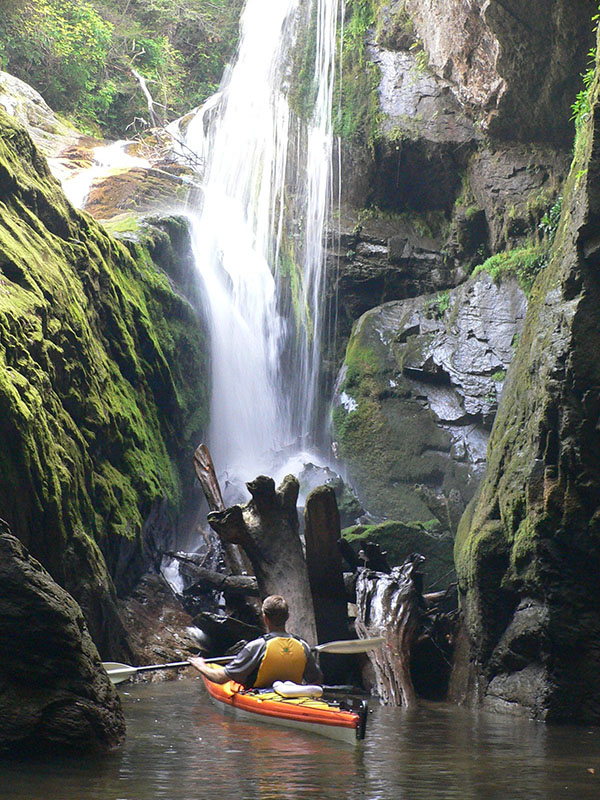
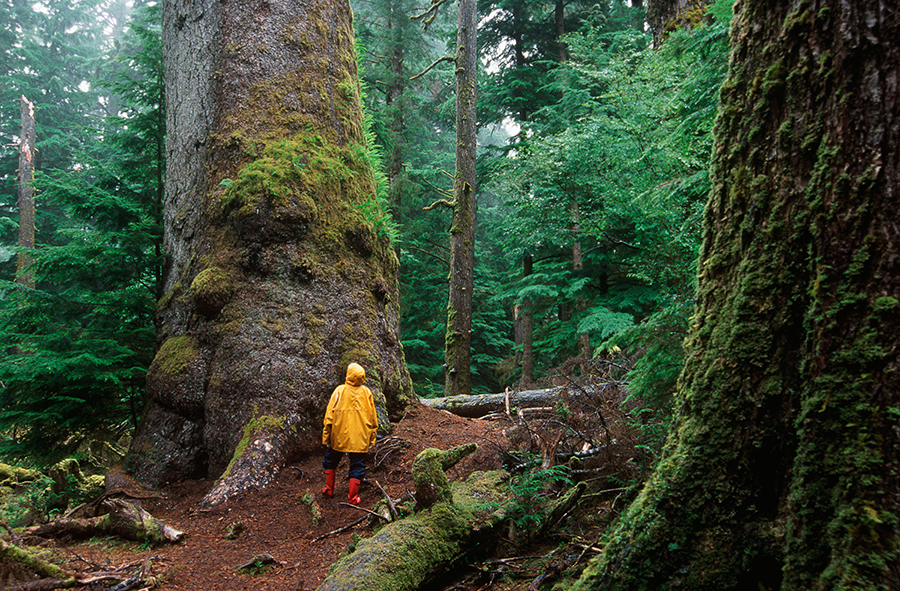
This expedition is designed for kayakers who want to experience the majority of this stunning area. With plenty of time to explore old-growth forests, discover hidden campsites, and paddle to remote locations few have had the chance to visit, this tour is perfect for those seeking immersion in nature. The coastline is diverse, featuring sea caves, estuaries, expansive beaches, and secluded islands. We select our campsites for their tranquility and breathtaking views, often at historic sites like old homesteads, ancient Haida villages, or pristine forests.
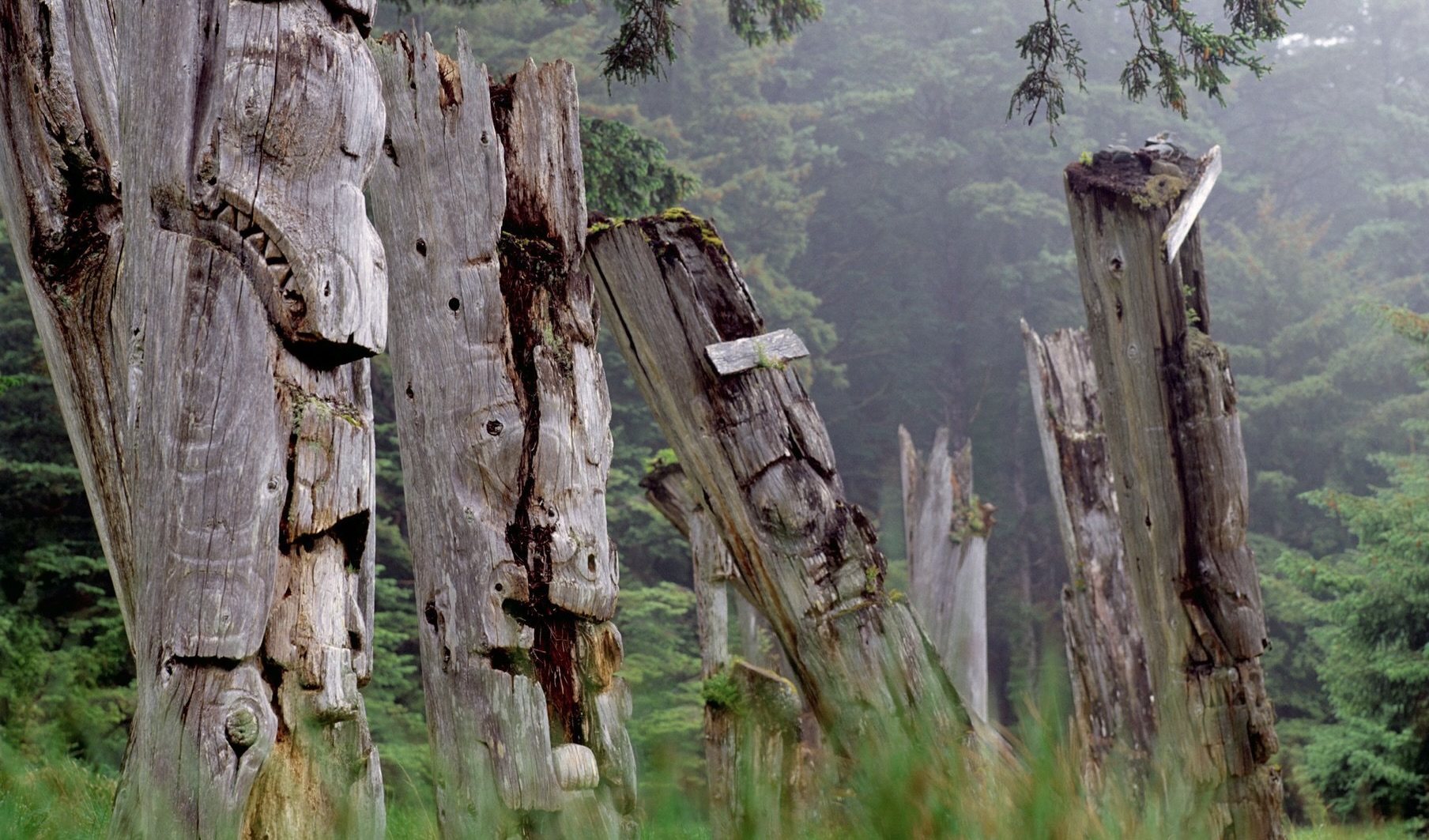
A trip highlight is the visit to SGang Gwaay (Anthony Island), a UNESCO World Heritage Site. Abandoned for over 120 years, this sacred village still features a row of towering totem poles— the largest collection of original standing totem poles in the world. It’s an awe-inspiring connection to the rich cultural history of the Haida people.
Take a virtual tour of SGang Gwaay and step into this living history.
As we paddle through the nutrient-rich waters of Gwaii Haanas, we pass through wildlife-rich corridors, where encounters with marine life are common. Watch for Humpback and Minke whales, or even the occasional pod of Killer Whales. Our journey also takes us to seabird colonies, as well as well-established haul-outs for Stellar Sea Lions and seals, offering spectacular wildlife viewing from a safe distance.
This is a true expedition-style adventure covering approximately 80 kilometres (43 nautical miles). Guests should expect to paddle for 5–6 hours each day as we travel through the spectacular waters of Haida Gwaii, moving to a new campsite each night. This journey is designed for those seeking an immersive experience in one of Canada’s most remote and wild coastal landscapes.
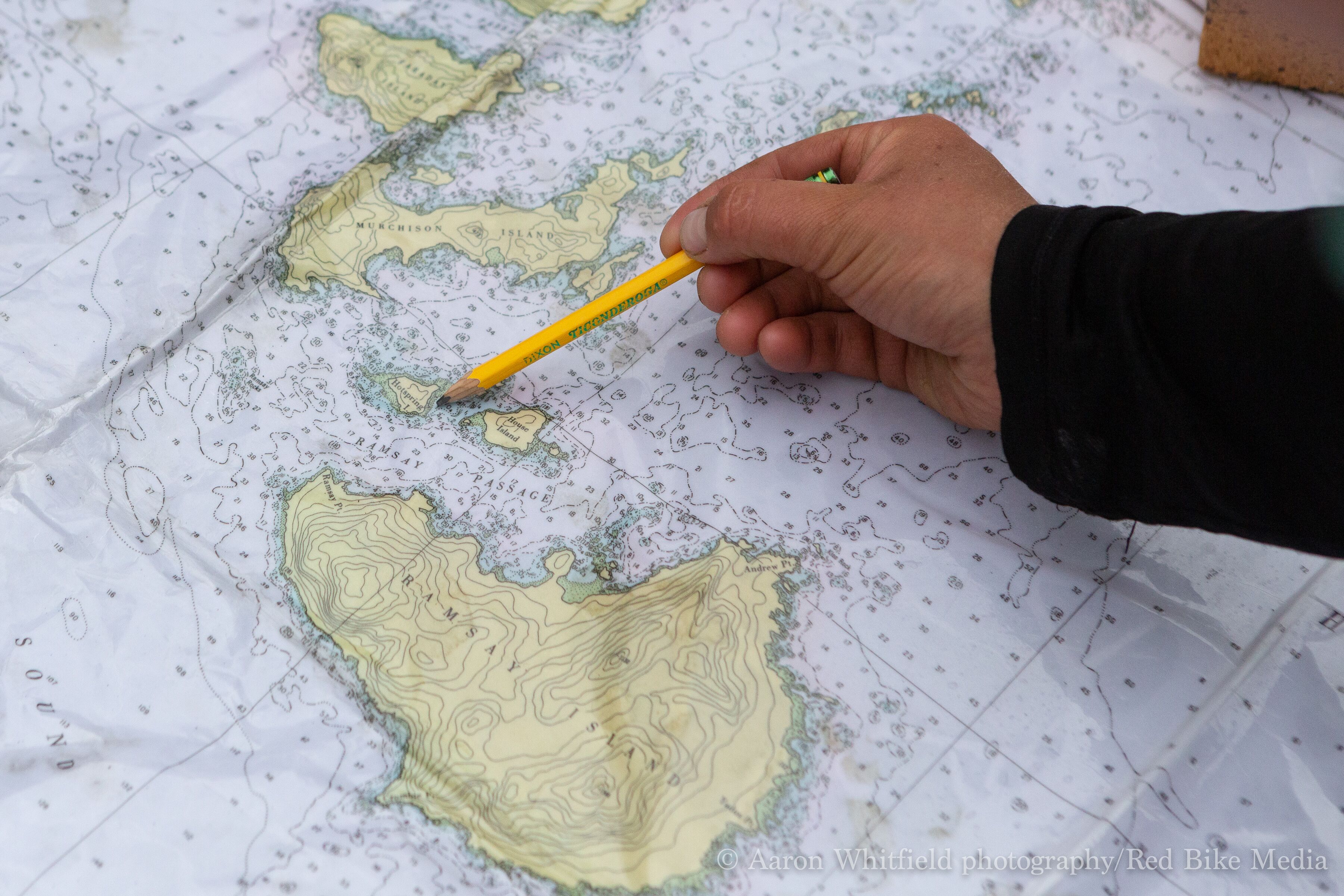
Reviewing the Tour Map allows guests the opportunity to get familiar with the highlights, wildlife, and geographical locations of the tour. The goals of our Haida Gwaii kayak trips are to be fun, engaging, educational, and relaxing.
 Kayaking Gwaii Haanas – Haida Gwaii is a true wilderness experience and requires a flexible mindset to travel safely in a self-propelled vessel. This is a self-supported kayak tour, which uses a mixed fleet of kayaks for your convenience, confidence and enjoyment. The success of the tour depends on weather, tides, guest interests, and the overall ability of the group. No one person (guides included) can have any control over such variables.
Below is an itinerary, created from over two decades of travel through Gwaii Haanas, that guests have enjoyed. That said, it is your tour, and you may have your own personal bucket list to check off, so OSK will try to facilitate any deviations from the below schedule.
Day 1 Your tour starts with our friends from Moresby Explorers picking you up at your accommodations in K’il Kun (Sandspit), the location of the island’s main airport. They will transport you by Zodiac to a remote camp, where your Gwaii Haanas kayaking tour will begin by setting up camp in Skincuttle Inlet. The afternoon will be spent kayaking and getting familiar with our mixed fleet of single and double kayaks.
Days 2 – 6/8: 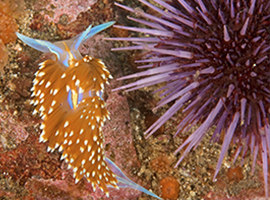 Skincuttle inlet, is sheltered from the open waters of Hecate Strait by a chain of Islands known as the Copper and Bolkus Islands. These islands are Ecological Reserves creating habitat for the Cassin’s Auklet, Forked-tailed Storm-Petrel, Marbled Murrelet, and the Ancient Murrelet, an at-risk species.
There will be ample time throughout our journey to explore old growth forests and experience cultural sites where fish weirs, canoe runs, or CMT’s (Cultural Modified Trees) of a time long ago are in evidence. We will do a day trip from our camp to view Ḵ’iid Xyangs Ḵ’iidaay (Burnaby Narrows), coinciding with low tide.
Ḵ’iid Xyangs Ḵ’iidaay (Burnaby Narrows) is one of two Marine Ecological Reserves found within Gwaii Haanas. The Reserve was founded to protect the fragile marine ecosystem and to protect the Northern Abalone- a species that is listed as endangered. In 1990, Fisheries and Oceans Canada (DFO) put a total ban on stocks that had reached near-crash during the commercial fishing heyday of the 1970s and 1980s.
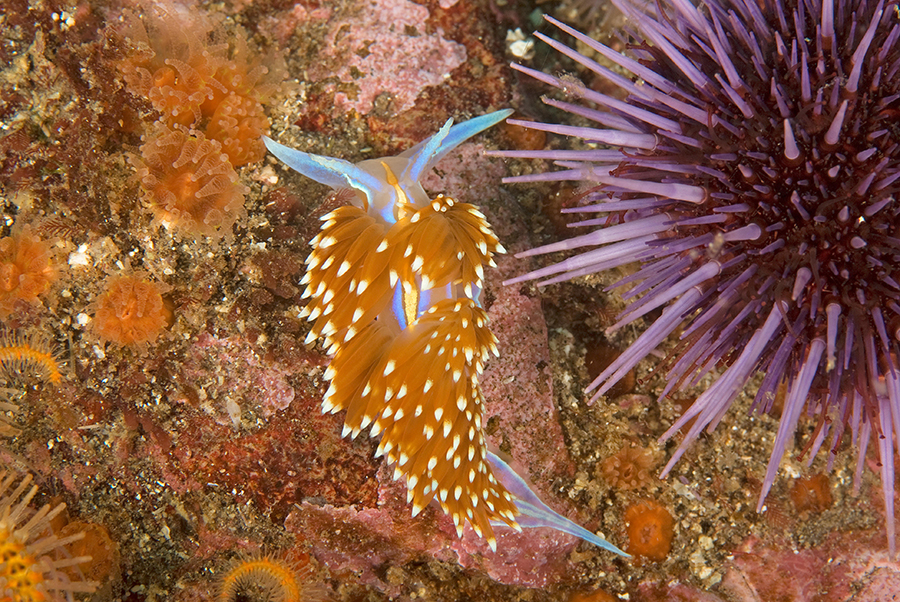
Studies conducted by Parks Canada determined that there are more than 290 aquatic species, and found that bat stars were counted at a density of 74 per square meter, (in contrast to a survey done on Vancouver Island that found just seven per square meter), meaning this area has some of the highest levels of living material (called Biomass) of any intertidal zone in the world!
We will explore the inlet and then kayak south across Ikeda Cove and Collison Bay, both known for their mineral extraction and canneries at the turn of the century. We then come upon the Rankin Islands, another Ecological Reserve found on this tour, which are home to the Rhinoceros and Cassin Auklet seabirds. 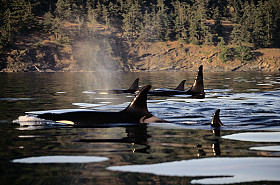
The open waters and currents around Benjamin Point create ideal conditions for plankton, krill and herring, attracting a plethora of wildlife. Whales, seals, sea lions, and birds, some that are not often found in the northern waters of Gwaii Haanas, congregate here.
Using the tides to our advantage provides efficient travel towards the sheltered waters of Houston Stewart Channel and the homestead of Rose Harbor. From 1905 to 1942 this was a flourishing whaling station. Rose Harbor now has a population of four hardy west coast characters. Today, this special place offers rustic accommodations and excellent local cuisine for travelers, which we will experience later on our kayak trip.
Kayaking westward through the channel brings us to one of the highlights of this tour, the village of SGang Gwaay (Anthony Island). This is a UNESCO World Heritage Site located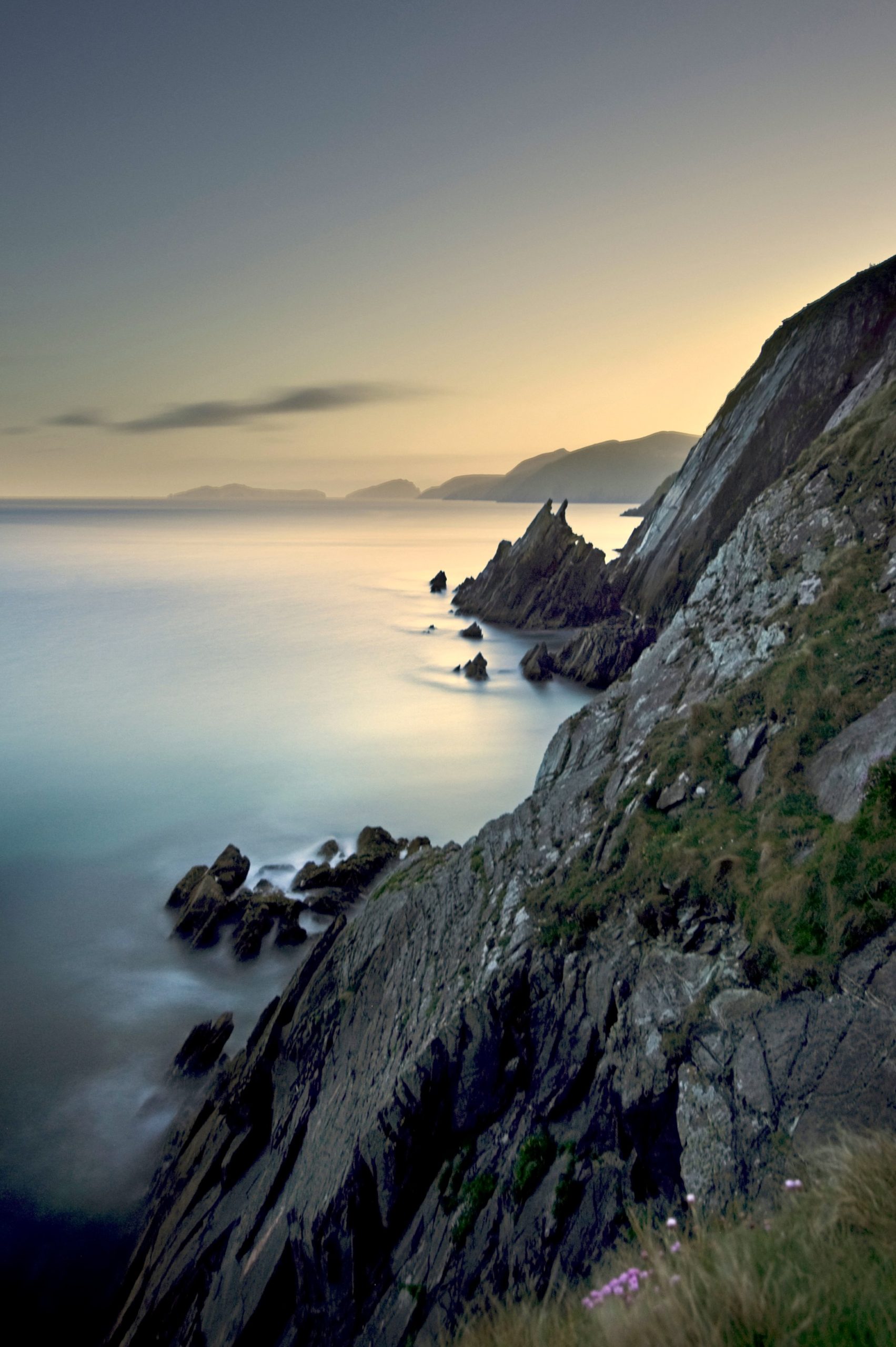 on SGang Gwaay. This island jewel boasts the largest number of original standing totem poles in the world! Guests will have the opportunity to view Stellar Sea Lions and seals that haul out on the many islets surrounding the island.
We paddle out into open ocean just a short distance but the vast coastline usually sends tingles through even the seasoned visitor, and the underlying Pacific Ocean sets the rhythm for the day.
Take a virtual tour of SGang Gwaay (Anthony Island).
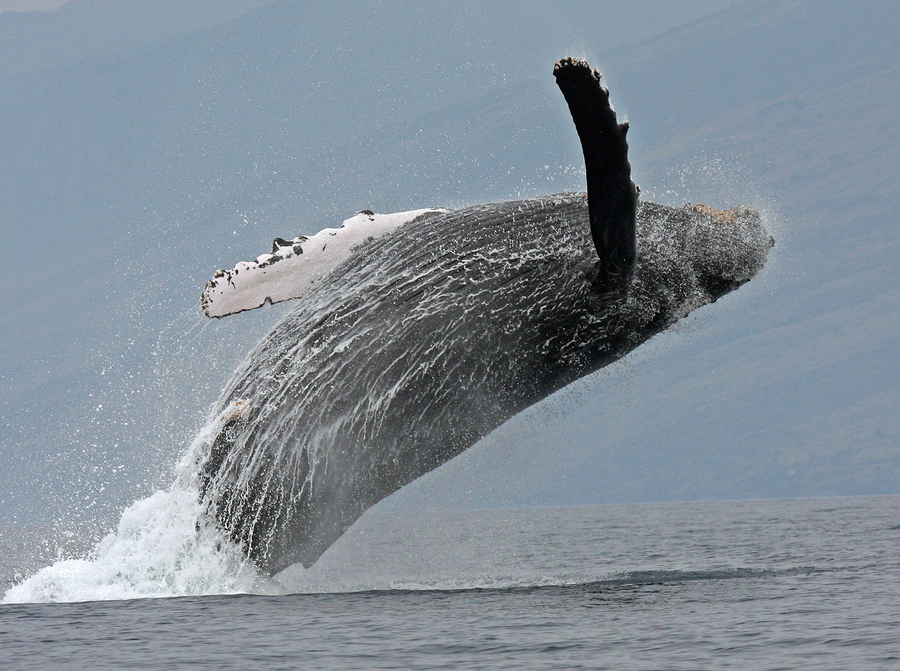
Throughout your journey, you will kayak corridors that provide ample feed for migrating Humpback whales. A Humpback will consume over 1.5 tons (1,361 kg) of food a day. While the female is slightly larger than the male (45- 50 feet), these whales are capable of breeching their entire 40 tons completely out of the water – a sight never to be forgotten!
Days 7/8 Leaving our west coast camp we will explore an established bird colony, with Tufted Puffins and a possible sighting of the well-dressed Horned Puffin. Our final night will be spent in Houston Stewart Channel, while on. our final day, we will enjoy a morning paddle amongst the many islands and islets found in the channel. The afternoon is spent preparing for your return to your accommodations in Sandspit.
All prices are in Canadian Dollars, and excludes the 190$ Gwaii Haanas Park Fee and 5% GST.
2028 OSK will be celebrating 40 incredible years of exploring Haida Gwaii – Why settle for second best!
Review all Haida Gwaii Kayak Tour Dates
Click Here – For details on wildlife, highlights, and geographical location regarding this tour.
Below is an overview, created from over two decades of travel through Gwaii Haanas, that guests have enjoyed. Kayaking Gwaii Haanas – Haida Gwaii is a true wilderness and requires a flexible mindset to travel safely in a self-propelled kayak. The success of the tour depends on the weather, tides, guests’ interests, and the overall ability of the group. No one person, including guides, has no control over such variables.
The perfect vacation looks different for everyone, so it’s important to ask yourself some initial questions when planning a trip to Haida Gwaii.
Please take note that Ocean Sound Kayaking does not accept direct online bookings.
Instead, we prefer to communicate with our guests over the phone when possible. This allows us to introduce ourselves, answer any questions you may have about designing the perfect trip for you, or about Haida Gwaii in general. Additionally, this process allows OSK to create a cohesive group well before we even meet on Haida Gwaii.
This is what sets us apart – the OSK difference.
Welcome to Your Haida Gwaii Adventure
For more than 30 years, we’ve had the privilege of welcoming guests of all ages and abilities from around the world to experience the wild beauty of Haida Gwaii.
Our goal is simple: we want you to know what to expect before you arrive, so you can feel prepared, confident, and excited for the adventure ahead.
Adventure Has No Age Limit
You don’t need to be a lifelong paddler or an experienced adventurer to join us. If you’re in reasonably good general health, comfortable around water, excited to explore a remote wilderness, and happy to lend a hand with the occasional camp chore, you’ll fit right in.
Previous kayaking – Canoeing experience can be an asset, but not required
We travel as a self-supported fleet of single and double sea kayaks, without a support boat. This means that a positive attitude, willingness to learn, and you are adaptable. More important – ALL guests must have past camping experiences, this is often more valuable than previous paddling experience.
You’ll learn as you go, and our guides will be there to teach, encourage, and support you along the way.
A Typical Day on the Water
One of the questions we hear most often is:
“How far will we kayak each day?”
The honest answer? Every day is a little different.
Our route and daily distance are influenced by tides, wind, swell, weather, and the pace of the group. Because our expeditions are fully self-supported, we have the flexibility to adapt our plans to the conditions. Safety and enjoyment always come first.
Rather than focusing on nautical miles, it’s more useful to think about time on the water.
On most days, we aim to paddle for approximately 5–6 hours total — generally 2½–3 hours in the morning and another 2½–3 hours in the afternoon. Along the way, there’s plenty of time to stop for snacks, stretch your legs, explore the shoreline, take in the scenery, and simply enjoy where you are.
It’s to travel efficiently and safely, experience the incredible beauty of Haida Gwaii, and enjoy the journey together.
And Yes… Sometimes It Rains!
We wish we could promise that every day would bring sunshine, calm seas, and a helpful wind at our backs. Mother Nature, however, has never been particularly interested in following our itinerary!
There may be days when we paddle in the rain, work our way into the wind, or adjust our plans because of changing conditions. A good sense of humour, flexibility, and a positive attitude go a long way.
The weather is part of the adventure — and often makes the stories we tell later even better.
Teamwork Makes the Adventure
A successful kayak expedition is a team effort. Everyone arrives with different skills, strengths, and experiences, and that’s part of what makes each group unique.
Our trips are participatory adventures, which means everyone has a role to play. You may find yourself helping prepare a meal, washing dishes, gathering firewood, collecting water, carrying kayaks, organizing camp, or helping with food storage.
Don’t worry — we’re not expecting you to be an expert at everything! Some people are fantastic in the kitchen, others are natural organizers, strong paddlers, enthusiastic fire builders, or simply great at keeping everyone laughing.
Whatever your strengths, there’s a place for you on the team.
Working together keeps camp running smoothly, but it also creates something more important: camaraderie. Shared responsibilities, small challenges, and plenty of time together in the wilderness have a wonderful way of turning strangers into friends.
Our guides are there to lead, teach, and support the group, but the best expeditions are those where everyone contributes. Together, we create a safe, inclusive, rewarding, and unforgettable experience.
Lifting & Camp Life
Life in a remote wilderness comes with a little more hands-on participation than a typical vacation — and that’s part of the fun!
Daily camp tasks may include:
- Preparing meals and helping with cleanup
- Setting up and organizing camp
- Collecting water and firewood
- Helping move kayaks above the high-tide line each evening
- Assisting with food and gear storage
We can accommodate many physical limitations, and we encourage you to talk with us ahead of time about any concerns or limitations you may have.
Guests should be comfortable carrying approximately 20–30 lb (9–14 kg) and participating in shared camp responsibilities.
You don’t have to be the strongest person in the group. We work together, share the load, and help each other out.
Washrooms & Bathing
A wilderness expedition means embracing a few differences from home — including the washroom!
There are no outhouses in Gwaii Haanas. We follow Parks Canada’s low-impact practices, including the intertidal flush method. Your guides will explain how this works and ensure you have privacy at rest stops and camps.
Many camps have access to fresh water for drinking and bathing. When natural water sources aren’t available, we carry what we need.
An unscented biodegradable wipe is also a very useful addition to your personal gear.
A little preparation goes a long way, and knowing what to expect means you can spend less time worrying about the practical details — and more time soaking up the magic of Haida Gwaii.
The OSK Team has designed a few tutorials for you.
A compressive Trip Planner and further videos will be presented to all guest once registered on a tour with Ocean Sound Kayaking, referencing over 30 years of questions and answers.